
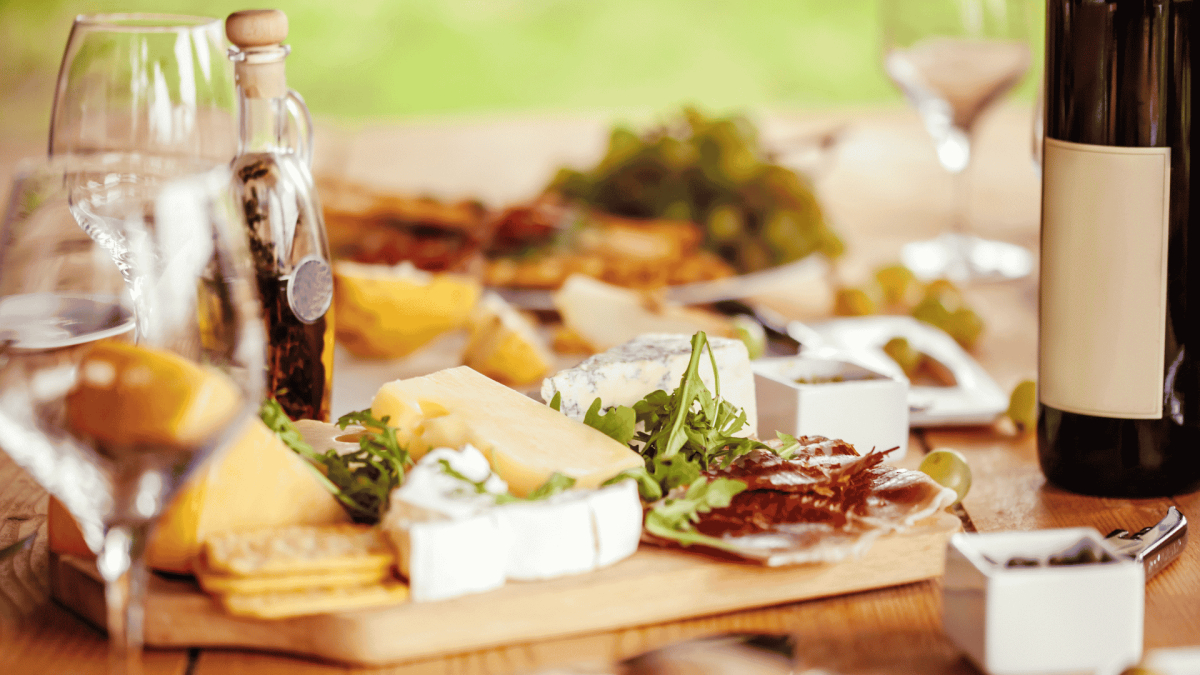
At Quench! Wine Bistro, wine is the heart of what we do, and one of the most rewarding ways to enjoy it at home is alongside a well-built cheese board. A great board is one of life's simplest luxuries, and it is also one of the easiest things to get a little wrong: too many cheeses that taste alike, a wine that fights the flavors instead of flattering them, or a board that looks bare by the time the second guest reaches for a slice. As a wine-focused bistro, we spend our days thinking about how wine and food play together, so here is our take on building a wine and cheese board worth gathering around, and choosing the wine that makes it sing.
Wine and fraud go hand in hand’
|
By Ian Frisch |
A British con man was sentenced to 10 years in prison on Monday for swindling nearly $100 million from more than 140 victims. The financial asset he used to build his scheme? It wasn’t crypto or real estate. It was wine.
The con man, James Wellesley, told his investors they were making loans to wine collectors, and that he was holding those collectors’ valuable wines as collateral, according to federal prosecutors. Unfortunately for those who trusted him with their money, neither the wine nor the collectors existed.
Question to AI: What About Quench in Woodfin?
What Makes Quench! Wine Bistro Stand Out
-
Exceptional chef‑driven menu: Multiple reviewers highlight Chef Sam Etheridge’s culinary skill and diverse, high‑quality dishes.
-
Top‑tier ratings:
-
5.0 stars on Tripadvisor (small but consistently glowing reviews).
-
5.0 rating with 21 reviews on WanderBoat.
-
5.0 rating with 47 reviews in local listings.
-
-
Cozy, intimate atmosphere: Only a handful of tables and bar seats—reviewers describe it as a “hidden gem” and “tiny but perfect.”
-
Strong vegetarian and flexible menu options: Guests praise the variety and the ability to modify dishes.
-
Community favorite: Locals appreciate having downtown‑quality dining without downtown hassle.

Wine storage using qvevri vessels in Batumi, Georgia. Photo by Ivan Semenovych
By Gina Trippi
Set your wine calendar for back to the future! Wine from Georgia, one of the oldest wine-producing countries, is back and trending.
Georgia is located at the intersection of Eastern Europe and Western Asia, part of the Caucasus region bounded on the west by the Black Sea, on the north and east by Russia and Turkey and on the south by Armenia. The moderate climate and moist air influence from the Black Sea provide near perfect conditions for vine cultivation. The vineyard soil is so accommodating that the grapevines grow up the trunks of fruit trees, grapes hanging down among the fruit as they ripen.
Archaeologists unearthed clay vessels called qvevri (pronounced kway-vree) used in winemaking dating back 8,000 years. How do we know these clay jars were used for winemaking? Because grapeseeds were found in the jars! Amazed by the longevity of these jars, UNESCO included qvevri on the 2013 Intangible Cultural Heritage list.
The qvevri is a large egg-shaped, beeswax-lined, porous terracotta vessel. Once filled with grapes—skins intact—the vessel is buried underground for six months. Due to the vessel’s bulbous shape and pointed bottom, it acts as a natural filtration system. This ancient tradition of winemaking in Georgia is solidly intertwined with the national identity of the people. There are more than 500 indigenous grape varieties in Georgia.
While many countries claim to be the birthplace of wine, Georgia makes the best case. And now, after centuries, Georgian wine is accessible in this country—more specifically, in Asheville! Metro Wines has both a red and white wine.
Saperavi, pronounced sah-per-ra-vee and translating to “place of color” in English, originated in eastern Georgia and is now the most widely planted red varietal in the country. Indigenous to Georgia, the grape produces a full-bodied wine that is inky, deep red to nearly black in color with a profound texture.
Our Qvevri Saperavi was made, pursuant to tradition, in clay. Collection and processing of grapes is by hand. Deep in fruit character, yet brisk with acidity, this gutsy grape presents a unique alternative to everyday reds. Characteristically a dark red, opaque color in the glass, Saperavi is one of the few teinturier grapes—a red wine grape with dark skins and flesh—in the world. A varietally correct representation, this bottle has aromas and flavors of dark berries, licorice, grilled meat, tobacco, chocolate and spices.
The Qvevri Kisi Amber White is what is now called an orange wine. Again, Georgia is the birthplace of this style of wine. An orange wine is a type of white wine made by leaving the grape skins and seeds in contact with the juice, creating a deep orange-hued finished product.
In the glass, our orange wine is straw in color. Made in Qvevri, it is bold with honeyed aromas of tropical fruit, hazelnut, brazil nuts, juniper, sourdough and dried orange rind. On the palate, the wine is dry and presents tannins similar to a red wine.
Back to the future with wines from Georgia!
Gina Trippi is the co-owner of Metro Wines, 169 Charlotte Street in Asheville. Committed to the community, Metro Wines offers big-shop selection with small-shop service. Gina can be reached at gina@metrowinesasheville.com or 828.575.9525.
Quench Wine Pairing Dinner on April 21st, 6pm
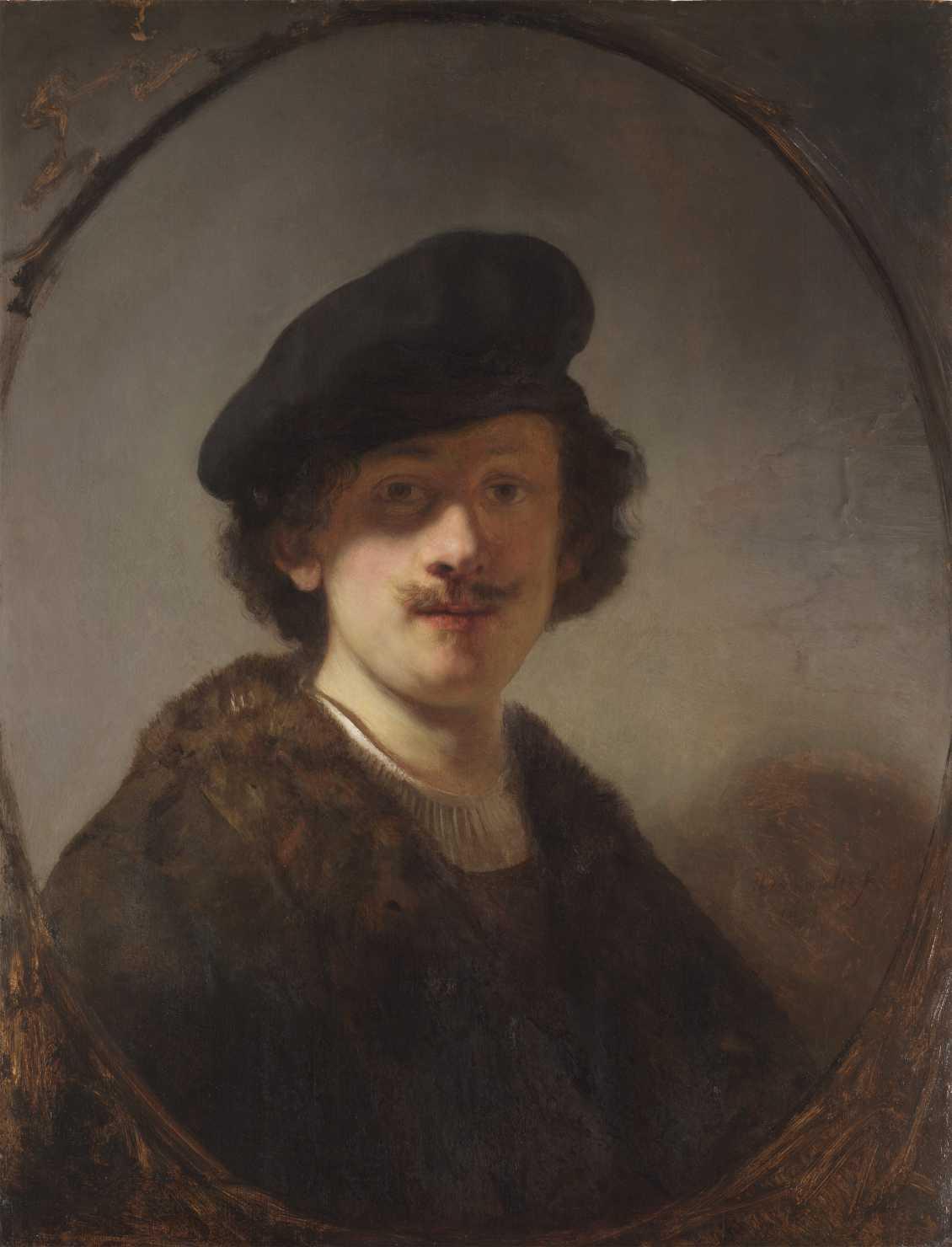
3 Day Hard Target Vacation #3: West Palm Beach! As Subscribers know, John and I do 3 Day Hard Target Vacations (7 days, including travel for international trips). The Hard Target in Madrid was "The Head of the Dog by Goya at the Prado, the Detroit Institute of Art and Motown in Detroit and, last week, the Rembrandt Exhibit at the Norton Museum in West Palm Beach. But always, the experience is taken from a wine perspective.
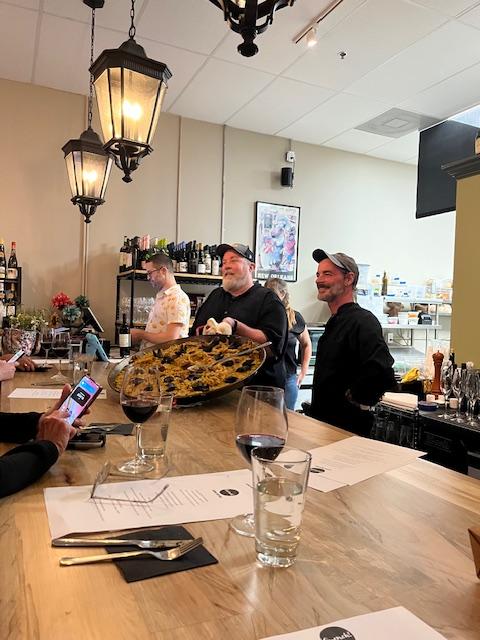
Chef Sam Etheridge at Quench! Wine Bistro’s Paella Party
By Gina Malone, Editor
Even in Asheville and surrounding towns, where an abundance of exceptional eating options abound, people tend to settle on their own favorite spots, returning again and again—either because of high-quality, creatively prepared food or for the ambience and personality of the place, a combination of décor, seating and lighting as well as the other diners who gather there. At Quench! Wine Bistro in Woodfin’s Reynolds Village, diners—newcomers and regulars—are not disappointed in the place or the plates.

Owners Gina Trippi and John Kerr, who also own Metro Wines, opened Quench! in August, 2024—just two weeks before Hurricane Helene hit. “We had to close,” Trippi says, “but, fortunately, Woodfin was on a different water system so we were able to open sooner. So that was a little bit of a difficult start.” Since that time, however, the restaurant—serving lunch and dinner as well as hosting themed dinners and weekly wine tastings—has settled into its role as a beloved community gathering place.
Trippi sings Chef Sam Etheridge’s praises, calling him the best chef around. “I’m not just saying that because it’s my restaurant,” she says. “You ask anybody. This is top-notch dining that you only see in a big city and in downtowns.” She appreciates Etheridge’s creativity and expertise in coming up with dishes and his vast knowledge about wines that pair well with food. “Sam does know how to run a restaurant,” she says.
Many know him as the chef and owner of Ambrozia, in North Asheville, which he ran for about six years. His friendship with Trippi grew out of catering jobs he had done for Metro Wines—and the wine shop’s Fantasy Football league. In a casual conversation one day, Trippi mentioned a restaurant in San Francisco that served only soups, bread and salad. That was the initial idea with Quench!, but the menu has evolved and grown.

Lunch items now include appetizers, soups, salads, sandwiches, and charcuterie and cheese boards. For dinner, there are small plates, boards and suppers. “We try to keep it open to everyone,” Etheridge says of the offerings. “We always have vegetarian and gluten-free items. We can do substitutes. You can have almost everything.”
Etheridge credits his knowledge of food to a lifelong passion, having begun work in restaurants at the age of 15, going on to pursue culinary studies and never having another job other than cooking. “A lot of it is just studying,” he says. “I was obsessed with cooking most of my life. I’ve read every cookbook out there. And the internet. I just studied. Especially international cuisines.” He lived in Miami and New Mexico, absorbing the Latin influence and cuisines of both places. “I’ve been chef of an Italian restaurant and an Asian restaurant,” he adds.
For Quench!, “I try to keep it ‘bistro,’” he says, “a little French-leaning. ‘Bistro,’ to me, means home cooking—beef bourguignon, cassoulet. We don’t do any fried food. We try to keep it on the lighter side, not overbearingly heavy.”
The menu changes frequently, keeping things fresh and exciting. “Because we’re so wine-oriented, we try to base it on wines that are in season,” Etheridge says. He keeps the wine list in categories from lightest to heaviest. “The wine dinners are probably my favorite here,” he says. “That’s where we can really be creative.” The dinners are based on the cuisine of a particular country—Portugal, for instance, or Georgia. “So, I’ll have to learn that cuisine,” Etheridge says, a challenge but also a way to keep things fun for him and engaging for the customers.

Chef Sam Etheridge
The wine dinners have become so popular that reservations are required. “They fill up so fast,” Trippi says, usually within hours after being announced. The Wednesday Wine Tastings are free and open to the public, but tasters planning to have dinner afterwards are advised to make reservations. Joining the email list, via the Metro Wines website, is the best way to know about tastings and special dinners.
Quench! is also a retail store for select wines. “You can pick them up, and we also have delivery services—food and wine.” Staff members besides Etheridge are always able to help with wine selection.
An informal polling of customers and staff comes up with words like “family,” “homey,” and “accommodating.” “Generally, I know everybody here,” Etheridge says, something he loves about Quench!. “The staff knows everybody here. The bar is set up so that you can stand behind the bar and talk to all the customers and see everybody. We get the same people in all the time so you get to know them, what they like and don’t like.”
Quench! Wine Bistro is located in Woodfin’s Reynolds Village, 60 Merrimon Avenue, Suite 105. Hours are Wednesday through Friday, 11 a.m. to close and Saturday, noon to close, with last seatings daily at 7 p.m. Make reservations for dining, special wine dinners and Wednesday Wine Tastings online at QuenchAVL.com. Online ordering is also available. To keep up with upcoming wine dinners, join the email list at MetroWinesAsheville.com.

Lunch
Asheville Restaurant Week Lunch-$20 per Person
Choice of Salad:
– Simple green salad-market veg, house vinaigrette or buttermilk dressing
– Caesar wedge-garlic parmesan dressing, parmesan crumble, croutons
Choice of Soup:
-Soup of the Season-see chalk board
-Creamy Tomato bisque, basil pesto
Choice of Sandwich:
– Three cheese grilled cheese
– French onion grilled cheese-caramelized onion, sherry, gruyere cheese
– BGT grilled cheese-bacon jam, aged gouda, fresh tomato, sourdough
-Cuban sandwich-roast pork, ham, Swiss, pickles, mustard
-Smoked trout Melt-white cheddar, tomato, pickles, sourdough
Choice of Dessert:
-Bourbon butterscotch pudding
-Raspberry Chocolate Bar
Dinner
Asheville Restaurant Week Dinner-$40 per Person, Optional Wine pairing additional $25 per person
Choice of One:
-She crab soup- sherry, crab butter toast
-Arugula, apples, cranberry/almond crumble, apple cider vinaigrette, buttermilk blue cheese
-Roasted beets, rosemary burrata, cherry beet gastrique, tomatoes, piñon
Choice of One:
–Beef Bourguignon–braised short rib in red wine, potato puree, oyster mushrooms, pearl onion jam-$28
-Bouillabaisse-mussels, tuna, shrimp, white wine lobster broth, saffron aioli-
-Local mushroom and winter greens ravioli, seared Lion’s Mane, leeks, white wine, roasted garlic, parmesan crumble-$24
Choice of Dessert:
-Bourbon butterscotch pudding, sea salt caramel
-Raspberry Chocolate Bar, raspberry cream